

Wise Women (Women’s Improved Health through Synthesized Evidence and Wellness Nurturing) is a pioneering initiative aimed at bridging the gap between research and practice in women’s health. Through comprehensive evidence synthesis, collaboration, and innovation, we strive to provide actionable insights that inform healthcare practices, policies, and interventions.
About Us

Teamwork is the ability to work together toward a common vision.
What Did We Do?
In 2025, our team carried out a mapping review—a systematic scan of all the research that South Australian scientists had published on women’s health evidence synthesis.
We searched hundreds of publications, focusing only on studies where the lead author was based in South Australia. Then, we analysed each study to understand:
- What topics were being studied
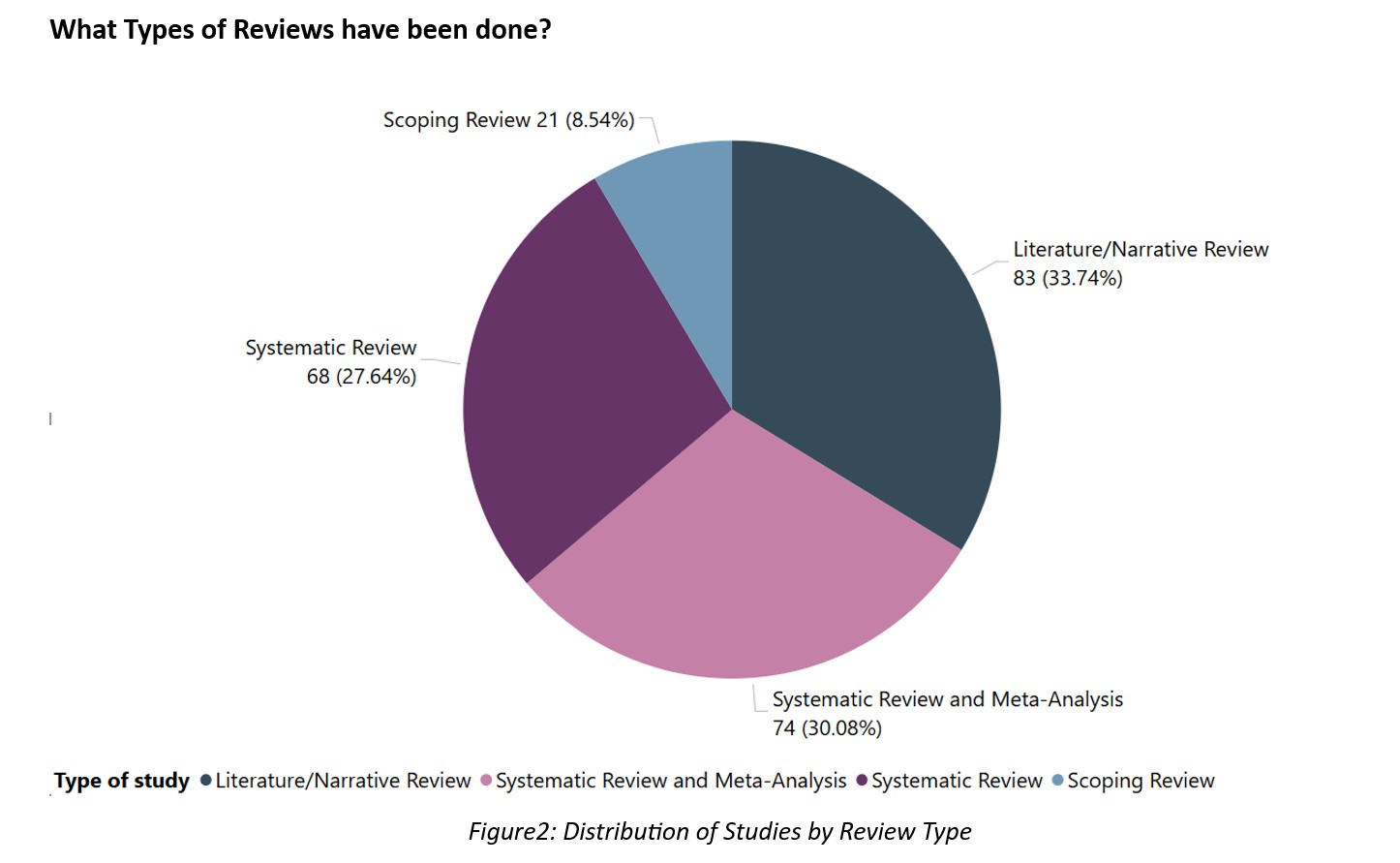
- What types of reviews were used (like systematic, scoping, or narrative reviews)
- How well the research followed best-practice methods and reporting standards
To bring clarity, we categorised the studies into nine nationally recognised women’s health priorities, known as the WHRTN categories: preconception, pregnancy, postpartum and intrapartum care; mental health; reproductive health; chronic disease and preventive health (including cancer and heart disease); healthy lifestyle, nutrition, physical activity and obesity prevention; violence and abuse; Indigenous health; healthy ageing; and sexual health.
It was the first review of its kind in the region, offering a comprehensive snapshot of where our research strengths lie, and where the gaps still persist.
What Did We Find?
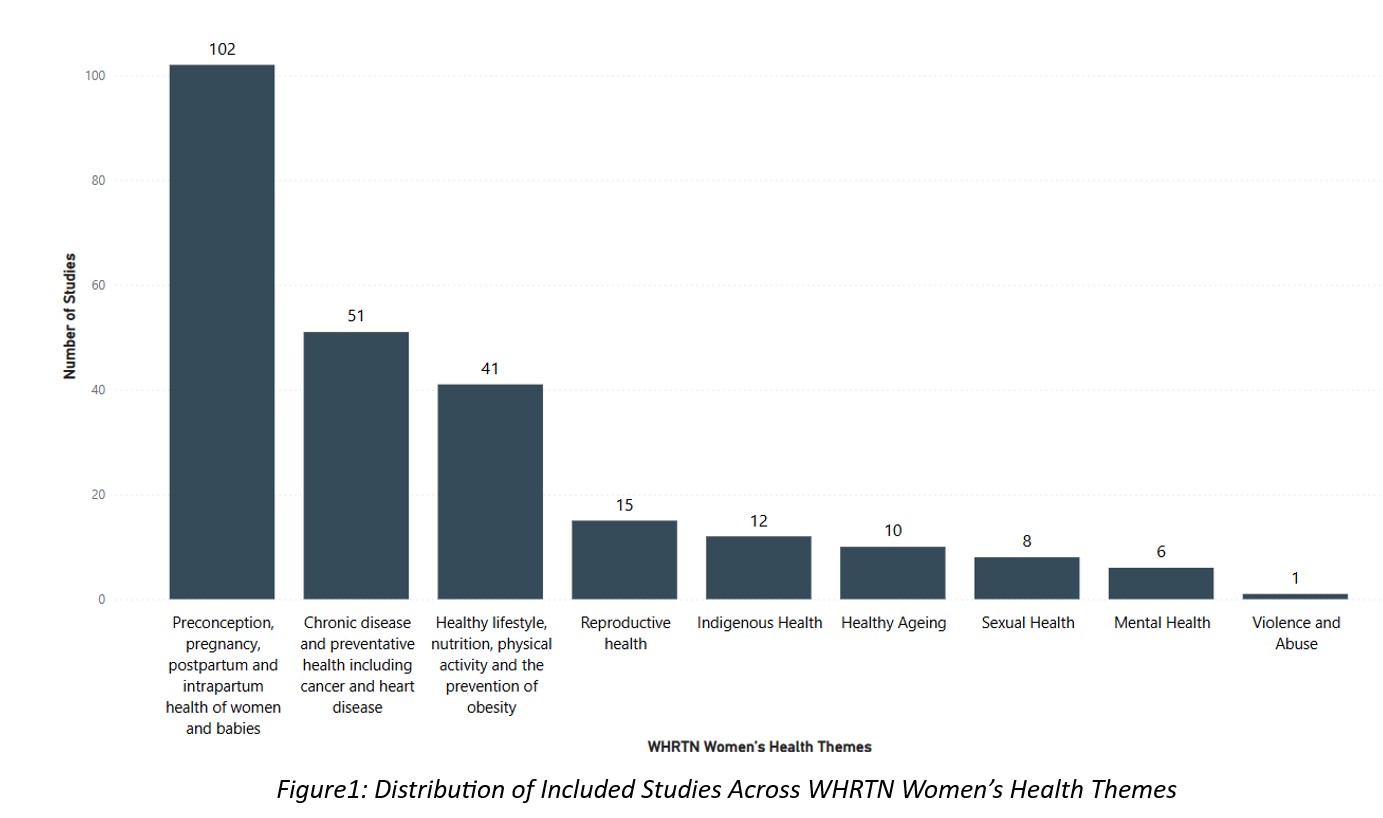
To understand where women’s health research in South Australia has been focused—and where it’s been lacking, we categorised 246 studies using the nationally recognised WHRTN framework.
What Topics Got Attention?
Some themes dominated the landscape like preconception, pregnancy, postpartum and intrapartum care. While other crucial areas were significantly underrepresented like Indigenous health, sexual health, mental health, and violence made up only a small fraction.
What Types of Reviews have been done?
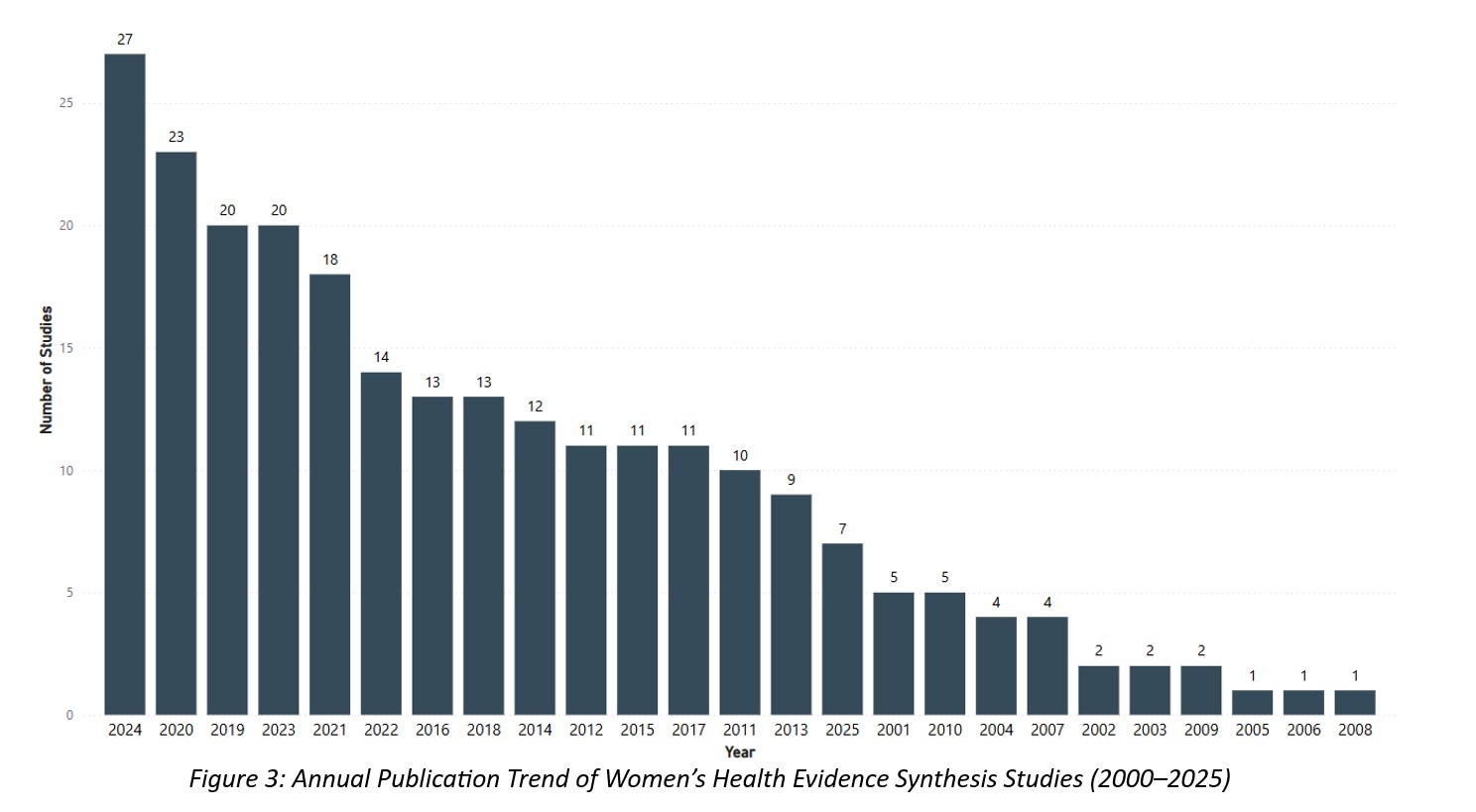
Trends and Quality
Research activity increased steadily since 2010
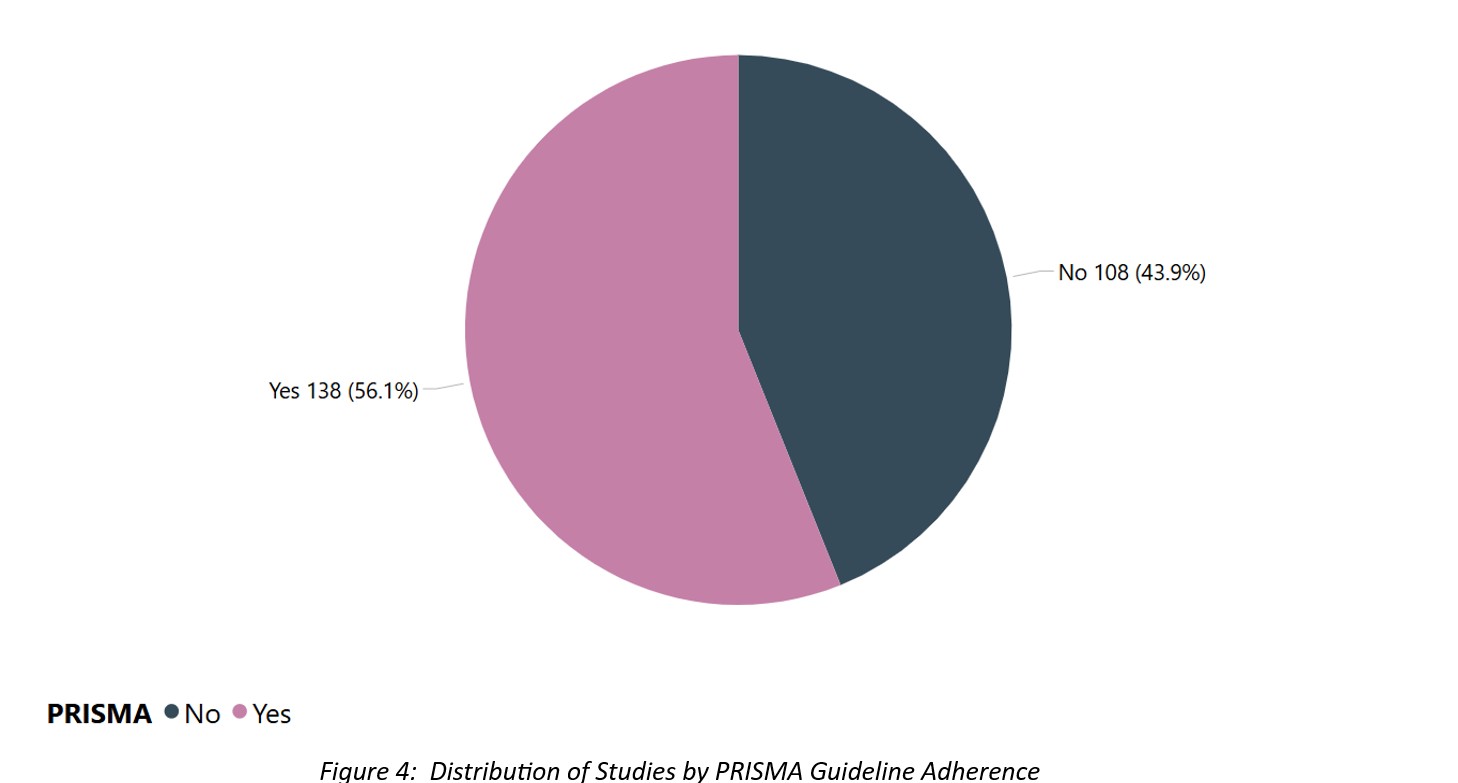
Just 56% followed PRISMA guideline for reporting
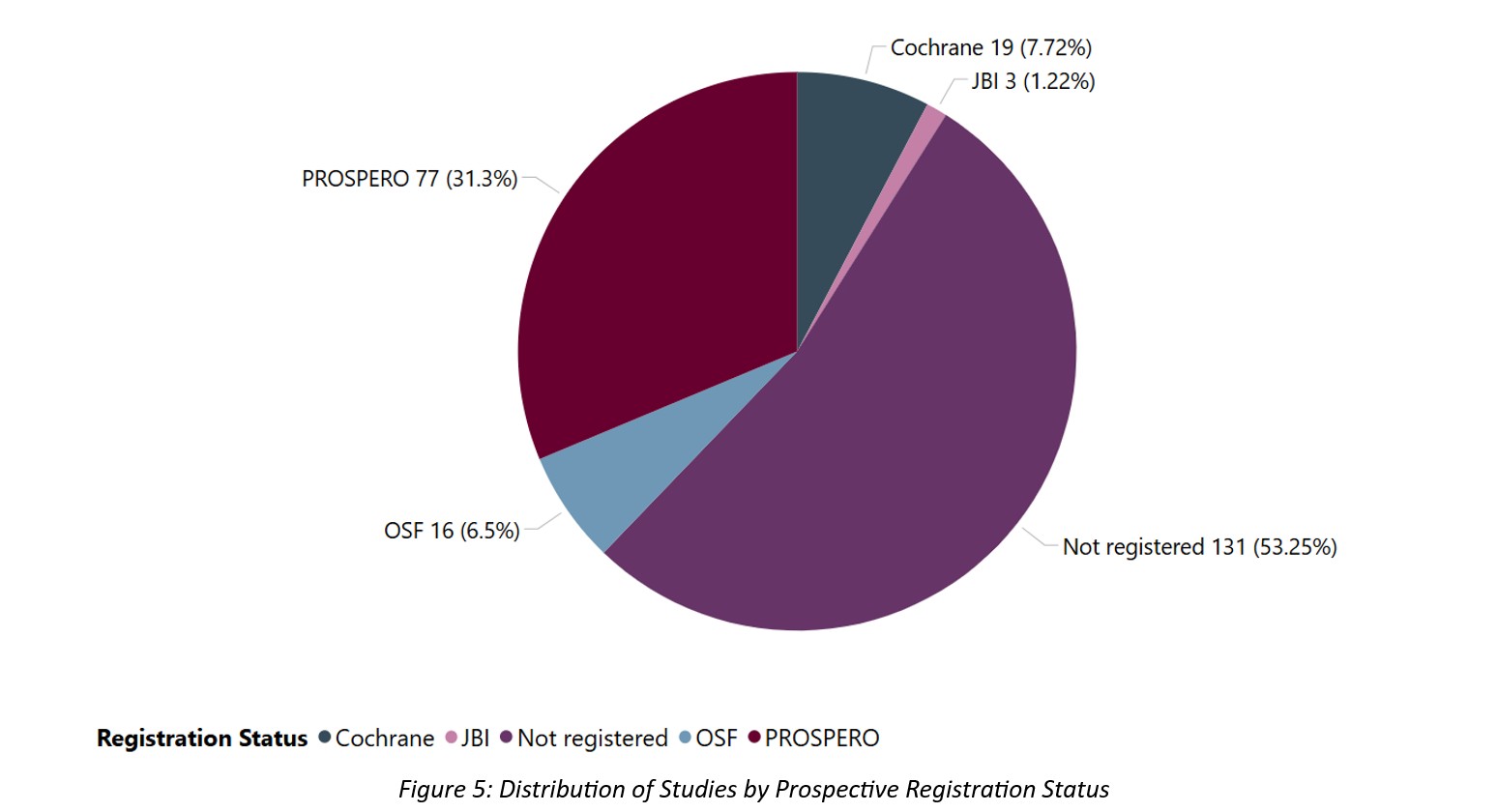
Only 47% were prospectively registered
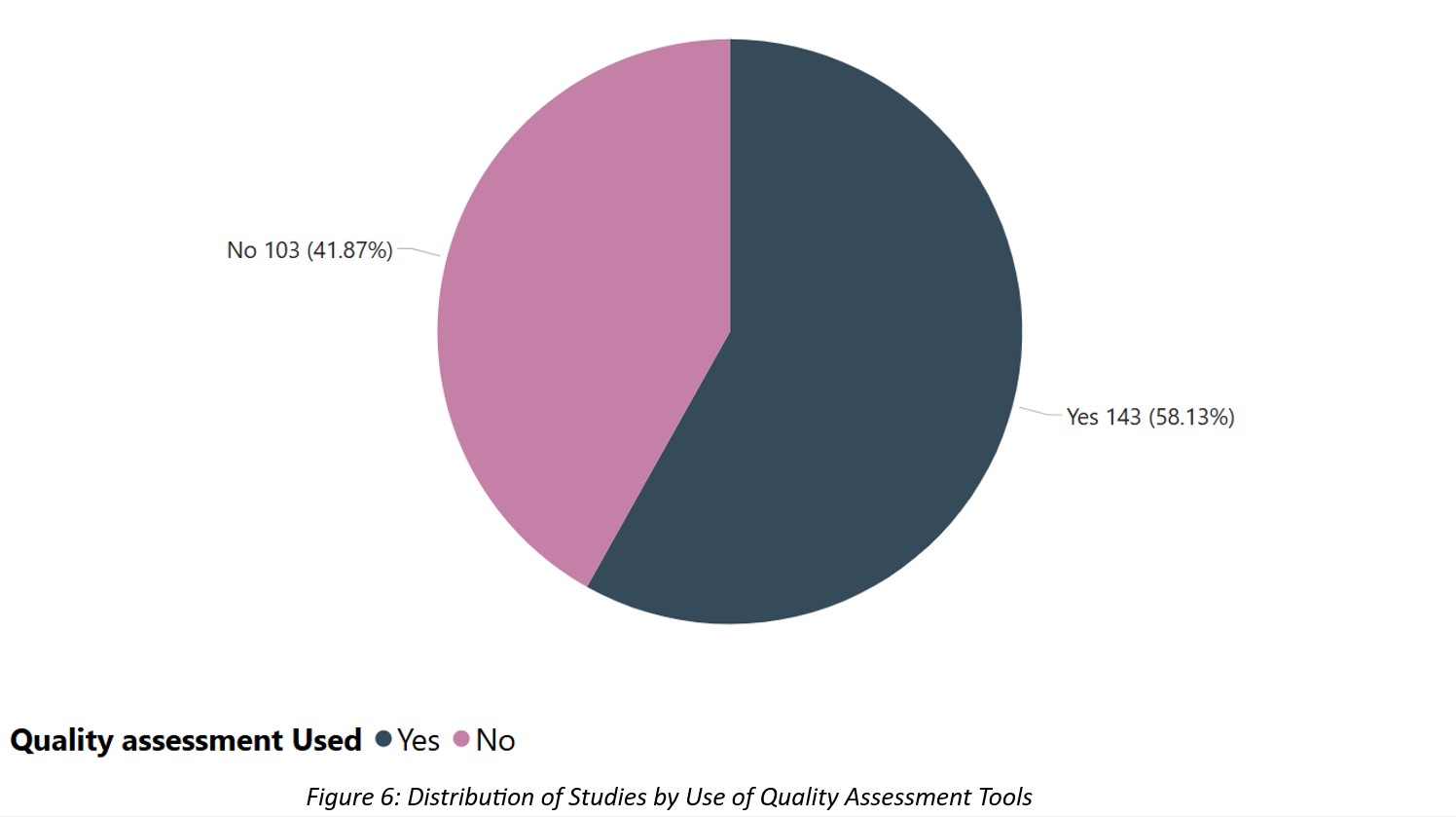
58% conducted quality appraisals
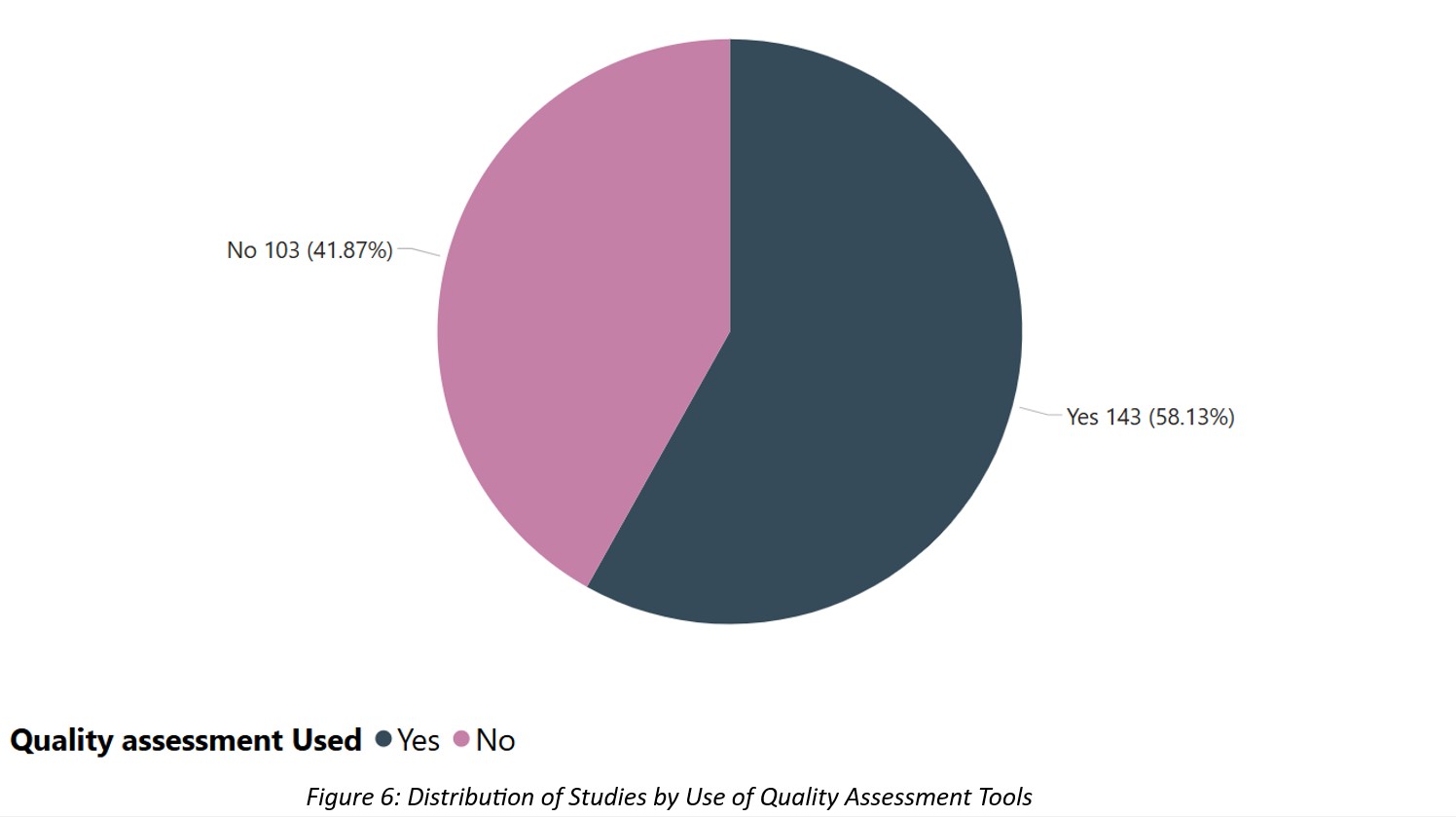
But when it came to systematic reviews—whether or not they included a meta-analysis—90% conducted a formal quality appraisal, showing much greater consistency in research standards.
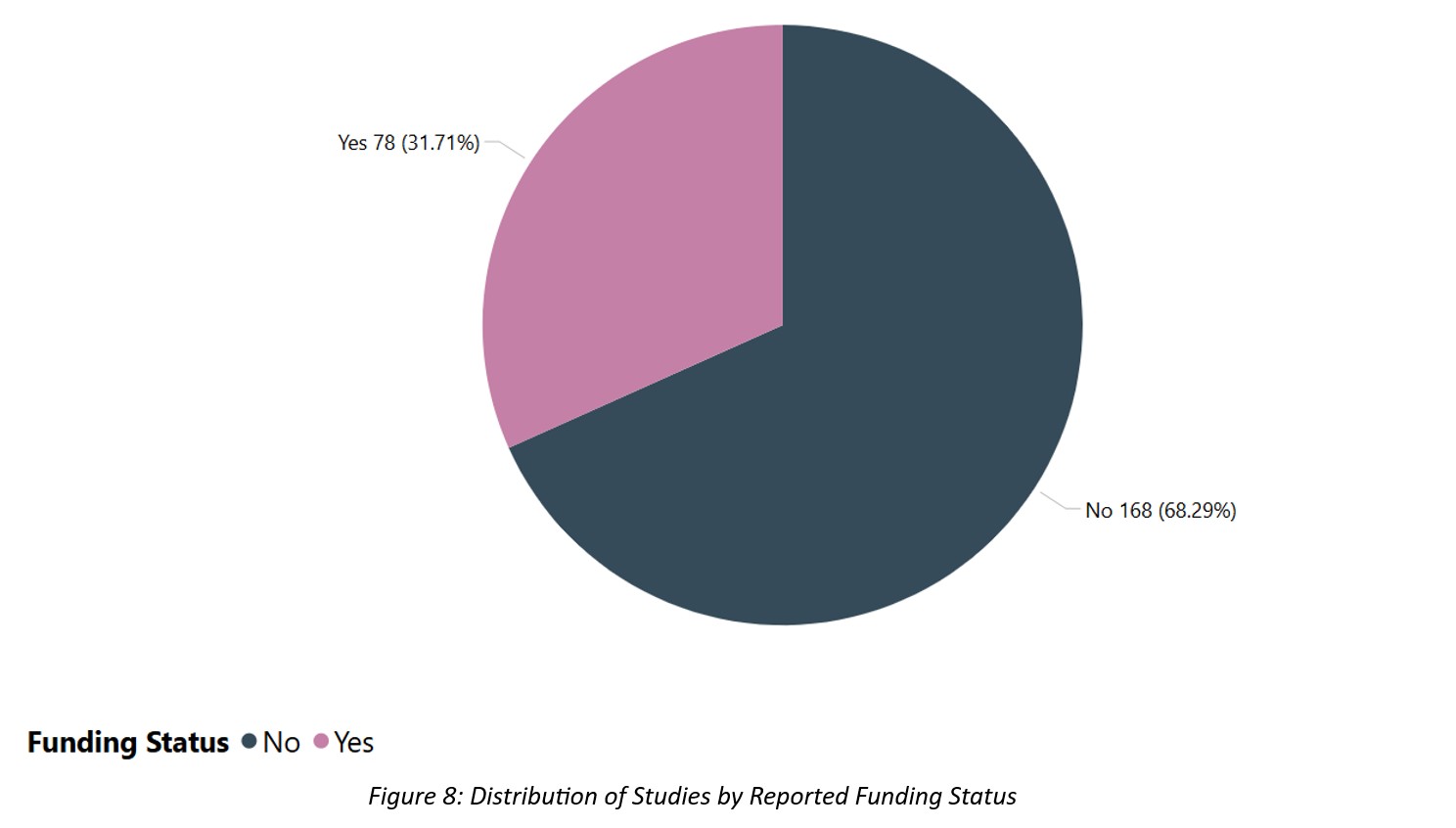
Almost 32% of studies reported no funding
These findings show that while South Australia produces valuable women’s health research, much of it is narrowly focused, inconsistently conducted, and underfunded. This is where WISEWOMEN steps in—to broaden the agenda, raise standards, and push for research that truly reflects the diversity of women’s lives.
To read more, please visit (we will provide the link once the paper has been published)
The Foundation of WISEWOMEN
What We Did
We reviewed 195 published research outputs, systematic reviews, scoping reviews, and meta-analyses, all led by researchers affiliated with South Australian institutions. These studies were mapped against priority themes identified by the Women’s Health Research, Translation and Impact Network (WHRTN) aligned with National Women’s Health Strategy 2020–2030.
We asked:
- What areas of women’s health are getting the most attention?
- Where are the gaps?
- How strong is the research quality?
- Who’s leading the work?
- And crucially, who’s missing?
What We Found
Thematic Imbalance
While nearly half of all studies focused on pregnancy and birth, key areas like sexual health, mental health, and gender-based violence remain severely underrepresented.
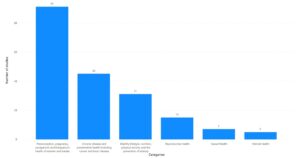
This tells us something important: we’re still treating women’s health as reproductive health only. WISEWOMEN challenges this by expanding the conversation to all stages and dimensions of a woman’s life.
Methodological Gaps
Only half of the studies followed recognised guidelines like PRISMA, and nearly 1 in 2 didn’t use any formal quality assessment tools.
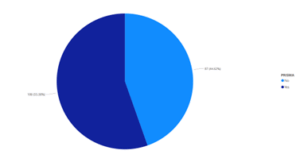
PRISMA Guideline Adherence
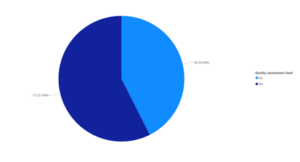
Use of Quality Appraisal Tools
This variation limits the credibility, reproducibility, and policy relevance of many studies, highlighting a need for standardised training and support in evidence synthesis.
Who’s Funding the Work?
A surprising 71% of studies had no reported funding. Researchers are doing critical work—often unpaid, unsupported, and unfunded.
Reported Funding Status
This is not sustainable. It’s a call to action for funders and institutions to back the work that underpins women’s health decision-making across Australia.
Why This Matters
Without strong, inclusive evidence, women’s health suffers. The consequences are real:
- Misdiagnosis
- Ineffective treatment
- Inequitable care
- Entire populations of women left out of research, policy, and funding
WISEWOMEN is here to change that.
We’re building a future where every woman’s health is researched, understood, and supported, no matter her postcode, culture, income, or life stage.

0+
Worldwide classes
0k+
Courses available
Meet Individuals
A Team That Embodies Our Values

Dr. Danielle Pollock
Grant-Funded Researcher (B)

Dr. Zohra Lassi
Associate Professor - NHMRC Ext-Funded Emerging Leader-2 Fellow D

Dr. Jodie Avery
Senior Research Fellow at Robinson Research Institute, Australia

Dr. Zachary Munn
NHMRC Ext-Funded Research Fellow E